Introduction
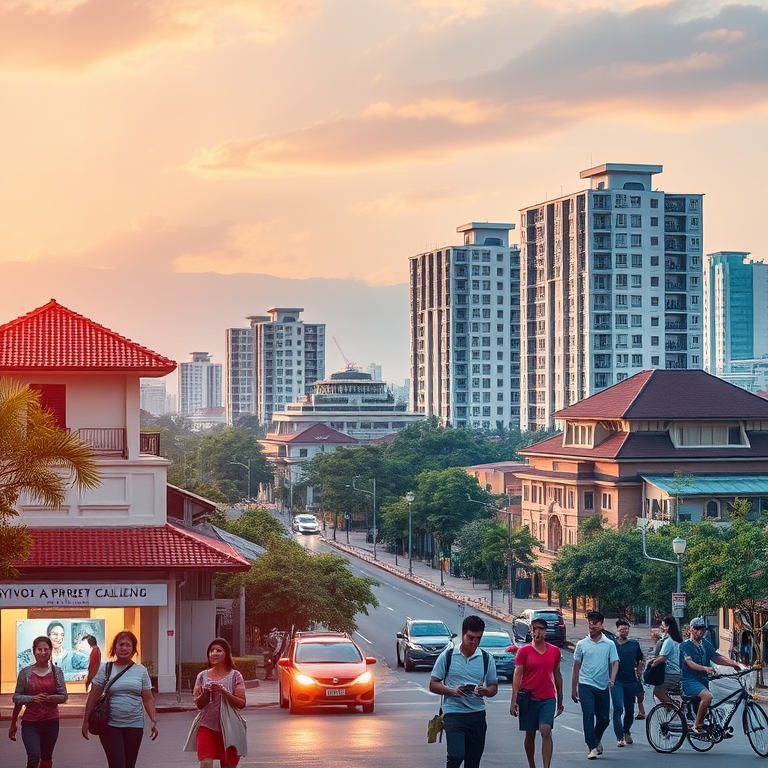
Laos is quietly undergoing a transformation. As urban centers like Vientiane and Luang Prabang expand and digital connectivity spreads, there is growing interest in modernising the way property is financed and rented. SQMU (Square Metre Ownership) and SQMU-R (Tokenised Rental Contracts) offer promising tools to support this change.
In a market where informal property transactions, limited financing, and remittance flows dominate, tokenisation could provide transparency, access, and new opportunities for tenants, landlords, agents, and overseas Lao investors. This case study explores how blockchain-powered real estate tools can help make housing in Laos more inclusive and investor-friendly.
Laos at a Glance
- Population: ~7.7 million
- Urbanisation: 39% (Vientiane ~800,000 residents)
- GDP per capita (PPP): ~$2,500
- Currency: Lao Kip (historically unstable)
- Remittances: ≈1.4% of GDP, largely informal flows
- Internet Use: ~66%; mobile penetration ~88%
While Laos remains primarily rural, its urban hubs are modernising quickly—especially Vientiane and border towns linked to Thailand. Young Laotians are tech-aware, but blockchain and crypto remain niche. Real estate tokenisation platforms would need local language integration and easy fiat-stablecoin conversion, particularly for regional diaspora.
SQMU Use Cases in Laos
1. Urban Apartment Tokenisation for Landlords
Property developers or landlords in Vientiane can issue SQMU tokens tied to square metres of a new or existing apartment. This helps:
- Raise capital without full property sales
- Sell fractional ownership to locals or overseas Lao
- Retain use of space while offering investor upside
Example: A Vientiane landlord tokenises 200 sqm in a new apartment building, selling 100 SQMU tokens to diaspora investors and using the proceeds to fund completion.
2. Overseas Lao Investment in Homeland Property
Thousands of Lao citizens work in Thailand and the US. SQMU allows them to:
- Convert remittances into fractional real estate
- Receive income in stablecoins via smart contracts
- Own part of urban apartments without legal overhead
Example: A Lao-American investor buys 20 SQMU tokens in a Luang Prabang apartment project, with rent distributed monthly in USDC.
3. Cross-Border Investment Channels
As Laos deepens ties with China and Vietnam, foreign capital is entering the real estate sector. SQMU tokens offer:
- Transparent, secure entry for Chinese or Vietnamese investors
- Smaller-ticket co-ownership
- Blockchain-backed records with optional KYC
Example: A Vietnamese fund diversifies into Vientiane apartments via SQMU, buying 500 tokens representing 500 sqm in three developments.
SQMU-R Use Cases in Laos
1. Stablecoin-Based Rental Payments
Tenants often deal with cash shortages or currency volatility. SQMU-R offers:
- On-chain leases denominated in USDC or baht-pegged tokens
- Timely, automated rent flows
- Reduced friction between landlord and tenant
Example: A Vientiane tenant uses SQMU-R to sign a one-year lease. Payments are made monthly in USDC via a mobile wallet.
2. Sponsored Leases by Overseas Relatives
Lao migrants abroad often support family back home. With SQMU-R, they can:
- Pre-fund lease contracts in Laos
- Receive rent income as tokenised yield
- Secure housing for relatives with transparent terms
Example: A Lao worker in Bangkok pre-funds 12 months of rent for his sister in Luang Prabang. He earns yield from her monthly payments while supporting her living needs.
3. Tourist-Focused Rental Tokenisation
Laos welcomed ~2.6 million tourists in 2023, mostly in Luang Prabang and nature hubs. SQMU-R enables:
- Pre-booked, tokenised stays
- Tradable stay tokens with embedded rights
- Rental yield sharing from guesthouses or homestays
Example: A boutique hotel in Luang Prabang issues 300 SQMU-R tokens for high season nights, which tourists can book or trade on-chain.
Technology and Infrastructure Landscape
While Laos lags behind Thailand or Vietnam in tech adoption, the fundamentals are improving:
- Internet usage: ~66% of population
- Mobile subscriptions: ~88% of population
- Digital banking: Mobile apps available from major banks
- QR payments: Government-backed e-wallets in rollout
- Blockchain awareness: Low, but growing among youth and tech entrepreneurs
With ongoing efforts to digitise ID and payments, Laos may soon support more formalised blockchain platforms. SQMU/SQMU-R adoption would be smoother with integration into mobile-first apps, multi-language support (Lao, Thai, English), and easy fiat-to-crypto onramps.
Housing Market Snapshot
| Region | Rental Activity | Ownership Pattern | Tokenisation Opportunity |
|---|---|---|---|
| Vientiane | Moderate, NGOs + locals | Cash-financed homes | High – urban condos |
| Luang Prabang | Seasonal tourism | Family-owned homes | Medium – boutique guesthouses |
| Border Towns | High due to Thai commerce | Mixed land ownership | Medium – shop-residences |
Though most Laotians prefer to own homes outright, urbanisation is slowly shifting this. With limited access to long-term loans, SQMU/SQMU-R could democratise rental and ownership access using small-scale, transparent instruments.
Why Laos is Ripe for Real Estate Tokenisation
| Problem | Traditional Market | SQMU/SQMU-R Benefit |
|---|---|---|
| Limited housing finance | Few mortgages | Fractional funding from diaspora |
| Currency instability | Kip depreciation | Stablecoin-based rent & investment |
| Informal rentals | No written leases | Smart contracts ensure clarity |
| Diaspora disconnected | Cash transfers only | Tokenised co-ownership with income |
Conclusion
Laos is a small but steadily growing market where real estate tokenisation could improve access, reduce friction, and channel remittances into productive housing assets. SQMU and SQMU-R offer practical, locally relevant solutions—empowering Laotians at home and abroad to participate in a smarter property ecosystem.
From urban landlords in Vientiane to overseas Lao in Bangkok or California, the tools of fractional ownership and smart contract leasing are poised to create new channels for wealth, shelter, and investment in one of Southeast Asia’s most overlooked markets.

Leave a Reply