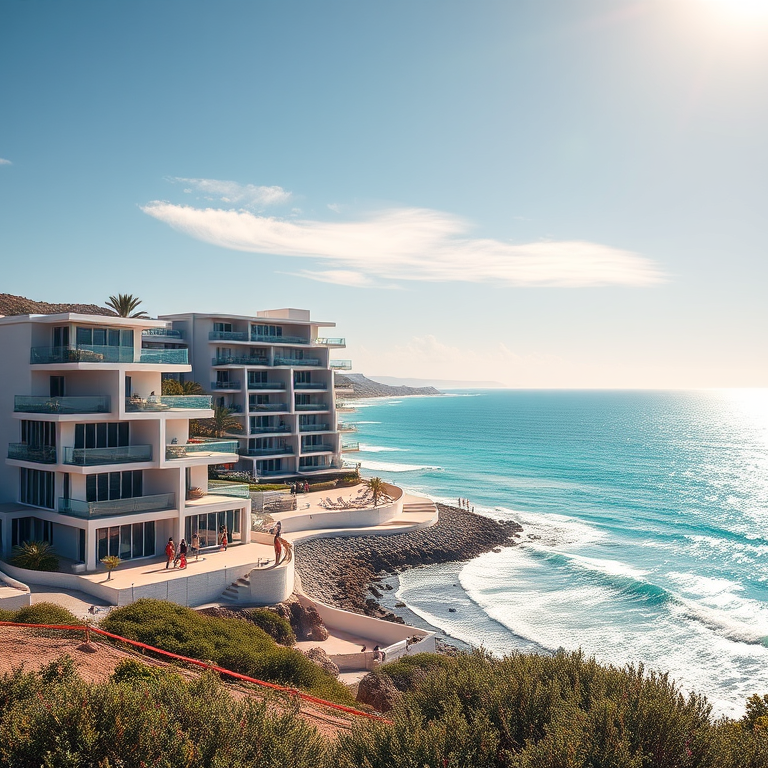
Cape Verde, an island nation of about 600,000 people, is one of West Africa’s most digitally connected and economically stable countries. Around 68% of the population lives in urban areas, and its economy is driven by tourism and remittances from a large diaspora community — especially in Portugal and the United States. The national currency, the Cape Verde Escudo (CVE), is pegged to the euro, ensuring low inflation and price stability. These factors make Cape Verde an ideal testing ground for digital real estate innovation.
Digital connectivity is excellent: 72% internet penetration and 101% mobile penetration rank among the highest in Africa. E-government and banking services are well developed, and the country is rolling out Smart City and e-Residency initiatives. Cryptocurrency awareness is growing, especially among youth and diaspora investors who are already comfortable with online finance.
The housing market reflects this mix of stability and growth. Homeownership is common, often supported by family remittances. Many locals buy or inherit coastal homes, while formal rentals thrive in tourism-driven areas. On islands like Sal and Boa Vista, short-term rentals generate strong income on platforms such as Airbnb. New condo developments are emerging to meet demand from tourists and investors looking for rental income.
SQMU and SQMU-R in Simple Terms
- SQMU: A token that represents one square metre of property. Buyers can own small shares of real estate projects rather than purchasing whole apartments.
- SQMU-R: A token representing a rental contract. It digitises lease agreements, automates payment, and securely records bookings.
These tools can bring transparency, liquidity and accessibility to Cape Verde’s thriving coastal and tourism-driven property market.
How Tenants and Holiday Renters Could Benefit
Rental demand is strong in Cape Verde, especially in tourist hubs. SQMU-R can improve this market:
- Secure vacation bookings: SQMU-R tokens can represent specific rental periods — such as a week in a villa — with payment held securely and automatically released to owners.
- Transparent contracts: Long-term tenants can sign smart leases, reducing disputes and protecting deposits.
- Pay in euros or stablecoins: Diaspora visitors and foreign tourists can pay using euro-linked digital payments, avoiding exchange rate risks.
Example: A family from Lisbon books a two-bedroom apartment in Sal through a SQMU-R platform. Their booking is tokenised, payment is made in a euro-pegged stablecoin, and both the renter and owner have a secure digital record of the transaction.
How Landlords and Developers Could Benefit
Cape Verde’s property sector is growing, but financing large projects can be challenging. SQMU can unlock capital and expand market access:
- Fractional sales: A resort developer in Sal can issue SQMU tokens for each square metre of a hotel villa. Local investors and diaspora buyers purchase tokens, funding construction.
- Rental income securitisation: Owners of vacation homes can pre-sell future bookings as SQMU-R tokens, generating upfront cash.
- Affordable housing programs: Municipalities can tokenise housing projects, letting diaspora co-invest in community developments.
- Stable currency advantage: Pricing tokens in euro-pegged stablecoins aligns perfectly with the CVE’s peg, ensuring predictable returns.
Example: A developer planning a beachfront condo project in Boa Vista issues 10,000 SQMU tokens (1 m² each). Diaspora investors in Europe buy in, funding construction. Once complete, the developer sells SQMU-R rental tokens representing future vacation stays to generate early cashflow.
How Agents and Banks Could Benefit
Cape Verde’s property professionals can use tokenisation to expand their reach and trust:
- Verified listings: Agents can attach legal data, land titles and property details to tokenised listings, increasing transparency.
- Global marketing: Tokenised properties can be promoted directly to the diaspora and international investors.
- Financing solutions: Banks can offer SQMU-based mortgage alternatives, letting families gradually buy property through token purchases.
- Portfolio creation: Agents can bundle multiple vacation rentals into tokenised funds for small investors.
Example: An agency in Praia works with a local bank to offer a SQMU-backed financing plan: families buy tokens monthly in a new housing development and move toward full ownership while the bank manages the on-chain records.
How Investors and the Diaspora Could Benefit
Cape Verde’s diaspora already invests heavily in property but faces limited transparency and slow processes. SQMU makes this safer and easier:
- Low entry cost: Instead of saving to buy a whole apartment, investors can buy just a few square metres.
- Stable returns: SQMU-R tokens can pay rental income in euro-pegged stablecoins, avoiding currency risk.
- Verified projects: Tokens linked to legally registered properties reduce fraud and improve trust.
- Diversified portfolios: Investors can spread funds across several developments — condos, resorts, and affordable housing.
Example: A Cape Verdean family in Boston invests €15,000 into a verified resort development in Sal through SQMU. They receive quarterly rental income in stablecoins via SQMU-R tokens, with full digital transparency.
Why Cape Verde Is Ready for Tokenisation
- Strong digital infrastructure: With 72% internet penetration and 101% mobile use, Cape Verdeans are highly connected.
- Stable currency: The euro peg provides predictable pricing for property tokens.
- Tourism-driven demand: Vacation rentals and resorts are booming, creating immediate use cases for SQMU-R.
- Diaspora capital: Significant remittances can shift from informal construction to formal, secure tokenised investments.
- Legal stability: Portuguese-based property laws and pro-tech initiatives (like Cabo Verde TradeInvest and e-Residency) support digital innovation.
Overcoming Challenges
- Market size: The population is small, so early projects may be limited to high-visibility developments.
- Education: Platforms should explain tokenisation clearly in Portuguese and Creole.
- Regulatory adaptation: Work with local authorities to recognise blockchain property records.
- User simplicity: Build mobile-first, low-data platforms that integrate with existing banking and mobile money systems.
Looking Ahead
Cape Verde’s real estate market combines stability, digital readiness and global connections. SQMU can unlock new ways for locals and diaspora to invest in homes and resorts, while SQMU-R can streamline vacation rentals and long-term leases. Developers gain new funding, agents reach global buyers, and families abroad can build wealth securely.
With strong tourism, reliable currency and tech-savvy citizens, Cape Verde could become a flagship model for real estate tokenisation in small island economies — proving how blockchain can make property ownership and rental investment simple, transparent and accessible, one square metre at a time.

Leave a Reply