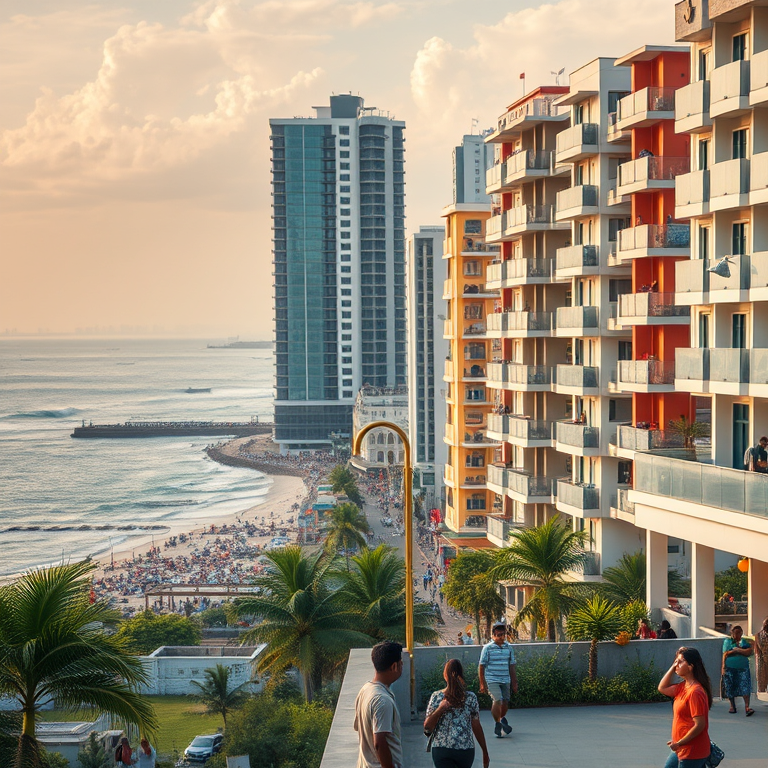
A New Chapter for Sri Lankan Real Estate
Sri Lanka is at a turning point: following a recent economic rebound and the return of international tourism, demand for housing—both urban and coastal—is rising. With prices soaring and access restricted, tokenisation offers a novel, inclusive solution. SQMU and SQMU-R platforms can allow ordinary residents, overseas Sri Lankans, tourists, and developers to engage with the market affordably and transparently.
From fractional ownership in Colombo apartments to on-chain tourist leases in Galle, Sri Lanka’s real estate landscape is ready for digitisation.
Use Cases: Digitising Ownership and Leasing
1. Tenants: Smart Contracts for Urban and Tourist Rentals
With rents climbing, SQMU-R offers renters a secure, predictable system:
- Digital lease tokens enforce payment terms and protect deposits.
- Vacationers can prepay stays in beach villas or hill country lodges via stablecoins.
- All transactions are tracked, reducing disputes and enabling tax compliance.
This is especially useful in areas like Ella, Galle, and Colombo where rental demand outpaces supply.
2. Landlords and Developers: New Capital and Reach
Property owners and developers gain from SQMU:
- Urban apartments can be fractionalised and sold as SQMU tokens.
- Pre-sales can fund large-scale condo projects (e.g., in Galle or Colombo).
- Rental income streams can be distributed automatically to token holders via SQMU-R.
This opens financing avenues beyond bank loans—ideal in a market where traditional mortgage access is limited.
3. Agents and Platforms: Tech-Driven Real Estate Services
Real estate professionals and proptech firms can:
- Create SQMU-based investment vehicles.
- List and manage tokenised real estate on digital platforms.
- Handle compliance (KYC/AML) and earn commission on trades.
Platforms could also bundle token portfolios, enabling diversified investments across Sri Lankan regions.
4. Investors: Local and Global, Big and Small
With Sri Lanka’s price-to-income ratio (~39) among the world’s highest, tokenisation democratizes access:
- Diaspora investors can bypass capital controls by owning tokens.
- Locals can accumulate SQMU shares instead of saving for full ownership.
- Global investors can hold and trade property stakes without complex legal entry.
This financial flexibility suits both retail and institutional buyers.
Economy and Demographics: Recovering with Potential
Sri Lanka is a country of 22 million people with:
- ~5% GDP growth in 2024 (after a -7.8% contraction in 2022).
- Key exports in tea, apparel, tourism, and overseas remittances.
- Per capita income rising again as inflation moderates (mid-teens).
The Sri Lankan Rupee (LKR) was floated in 2023, leading to exchange-rate swings. Housing affordability remains a key challenge:
- Colombo apartments can cost ~$1,500–2,000/m².
- Many urban residents are renters due to high entry barriers.
SQMU helps bridge that gap: a teacher or gig worker in Colombo could invest in apartment tokens, while diaspora funders can crowd-finance new housing through blockchain.
Technology and Digital Finance: A Foundation for Tokenisation
Sri Lanka’s digital infrastructure has expanded rapidly:
- 100% 4G coverage, and internet penetration ~61%.
- Popular mobile finance platforms (e.g. eZ Cash, mCash).
- A growing fintech ecosystem in lending, payments, and remittances.
While crypto regulation has been cautious, interest is growing:
- The Maldives and other neighbors are exploring blockchain finance.
- Sri Lanka has hosted fintech summits encouraging innovation.
With SQMU, platforms can integrate token wallets alongside traditional payment gateways—meeting users where they are.
Housing Market Dynamics: High Prices, Low Yields
Sri Lanka’s housing sector is dual-speed:
- In urban areas (Colombo, Kandy), high-rise condos are booming.
- Outside cities, most homes are owner-occupied but land is scarce.
Price-to-income ratios (near 39) mean affordability is low. Rental yields are minimal (~0.1%), making it hard to earn through traditional leasing. However, tokenisation opens doors:
- High-value properties can be split into tradable m² stakes.
- Short-term rentals in tourism zones can be automated with SQMU-R.
Example: Tokenising a Beachfront Villa in Mirissa
A developer builds a new 8-room beachfront villa. Rather than seeking one buyer, they issue 800 SQMU tokens (1 per m²). Each token entitles holders to a share of rental income, booked via SQMU-R and paid in USDT. Locals, diaspora, and global investors each hold tokens, creating shared ownership of a prime tourism asset.
Building a Broader, Fairer Property Market
SQMU and SQMU-R offer a timely solution to Sri Lanka’s affordability crisis and tourism resurgence. With:
- Urban crowd-financing options.
- Transparent, enforceable digital leases.
- Access to tourist rental income via smart contracts.
…tokenisation can reshape how Sri Lankans and global investors engage with real estate.
In a recovering economy with strong digital infrastructure, fractional ownership represents not just a new investment model—but a step toward more inclusive, efficient, and resilient housing markets in Sri Lanka.

Leave a Reply