Overview
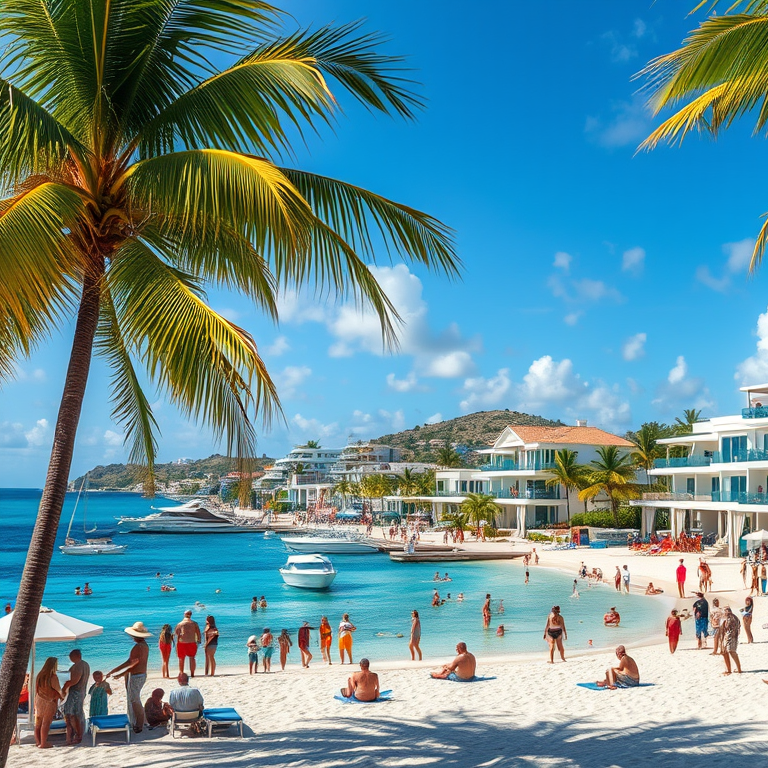
Sint Maarten, the Dutch half of the Caribbean island it shares with French Saint Martin, presents one of the most compelling environments for integrating blockchain-based real estate solutions such as SQMU and SQMU-R. With a population of around 43,000 and a high-income, tourism-dominated economy, the island’s economic framework is stable, outward-facing, and digitally mature. Its use of the U.S. dollar and modern infrastructure make it an attractive environment for international investors, particularly from Europe and North America, seeking secure and transparent access to Caribbean real estate.
This case study explores how SQMU and SQMU-R can fit seamlessly into Sint Maarten’s vibrant property ecosystem, connecting tenants, landlords, agents, and investors in a blockchain-enabled real estate network.
Economic and Digital Context
Sint Maarten’s economy revolves around tourism, with pristine beaches, luxury resorts, and casinos forming the backbone of national income. Cruise ships dock daily, feeding a steady flow of high-spending visitors that support a robust service economy. GDP per capita is approximately US$46,000, reflecting strong per-capita earnings for a small island nation. Unlike many Caribbean peers, Sint Maarten’s economy benefits from a deep integration with global markets via tourism, aviation, and digital services.
The island’s telecommunications infrastructure is among the best in the region. Broadband and mobile penetration are near universal, with 4G coverage and multiple service providers offering high-speed, low-cost access. Internet costs account for less than 1% of gross national income, which is exceptional by regional standards. This digital accessibility lays an ideal foundation for blockchain adoption — where real estate tokenization, digital deeds, and on-chain contracts can operate smoothly and efficiently.
Housing and Tourism Landscape
Sint Maarten’s real estate market reflects its dual tourism and investment orientation. The island’s main property hubs — Simpson Bay, Cupecoy, and Orient Bay — feature a mix of high-end villas, condominiums, and waterfront apartments that attract both permanent residents and short-term visitors. Seasonal demand from cruise passengers and holidaymakers keeps the rental market active throughout the year, with strong occupancy rates and attractive yields in the short-term rental (STR) segment.
Foreign ownership is unrestricted, allowing non-residents to purchase, lease, and resell properties without limitations. This has resulted in a cosmopolitan property market dominated by European, North American, and regional Caribbean investors. In addition, Sint Maarten’s Dutch legal framework ensures a transparent property registration process — a significant advantage for tokenization models relying on verifiable ownership records.
Applying SQMU and SQMU-R in Sint Maarten
1. Tenants: Secure, Transparent, and Tokenized Rentals
Tourists and temporary residents could use SQMU-R smart contracts to book and manage short-term accommodations across the island. This system enables digital deposits and rental agreements executed directly on-chain. A visitor booking a Simpson Bay apartment could complete the process using SQMU-R, automatically escrowing payment until check-in, and releasing funds to the landlord upon successful completion of the stay.
For longer-term expatriate workers or retirees, SQMU-R provides a secure mechanism for multi-month leases with token-based payment schedules and verifiable proof of transaction, reducing administrative friction and disputes.
2. Landlords: Fractionalizing Luxury and Resort Properties
Landlords in Sint Maarten — particularly those managing luxury villas or resort developments — could issue SQMU tokens representing fractional ownership of their properties. This allows them to raise capital for renovations, expansions, or new developments without selling the asset entirely. For instance, a $1.2 million beach villa in Cupecoy could be tokenized into 1,200,000 SQMU tokens, each representing one U.S. dollar’s worth of ownership.
Such a model enables local owners to tap into global liquidity while giving smaller investors access to high-value real estate markets previously restricted by large capital requirements.
3. Agents: Digitally Native Property Brokerage
Real estate agents could leverage SQMU’s blockchain infrastructure to streamline transactions, manage title records, and maintain transparent ledgers of property sales and leases. Using SQMU-enabled platforms, agents can verify property titles, issue token-based ownership certificates, and manage recurring rental contracts entirely within a digital ecosystem.
This would position Sint Maarten’s property sector as one of the most technologically advanced in the Caribbean, reducing paperwork, transaction times, and legal ambiguity. Agents working with Dutch legal tech providers can ensure compliance while integrating tokenization within existing property law frameworks.
4. Investors: Global Access to Caribbean Real Estate
Investors, particularly from the EU and the U.S., can benefit from SQMU’s real estate-backed token structure. Rather than purchasing full properties, they can acquire fractional SQMU tokens tied to revenue-generating assets in Sint Maarten. These tokens can be traded, held, or staked for yield — enabling flexible investment strategies across different risk levels.
Consider a boutique resort development in Philipsburg that issues 2 million SQMU tokens. An investor in Amsterdam or New York could buy 10,000 tokens, earning proportional returns from the rental revenue and property appreciation. This structure democratizes Caribbean property investment, making it accessible to a broader demographic beyond high-net-worth individuals.
The Digital Real Estate Advantage
The introduction of SQMU and SQMU-R in Sint Maarten could strengthen the island’s already digital-forward property sector in several ways:
- Increased liquidity: Tokenized property shares allow faster entry and exit compared to conventional real estate sales.
- Trust through transparency: Blockchain records ensure immutable documentation of ownership and transactions.
- Inclusive investment: Local and diaspora communities can participate in the real estate market with modest amounts.
- Simplified management: Smart contracts automate rent collection, dividend payouts, and ownership transfers.
- Cross-border scalability: Investors from multiple jurisdictions can transact in a unified, transparent marketplace.
A Model Use Case: The Simpson Bay Tokenized Resort
Imagine a beachfront property development in Simpson Bay — 20 serviced apartments, valued at $10 million collectively. The developer partners with SQMU to tokenize the project, issuing 10 million SQMU tokens at $1 per token. Early investors purchase tokens during the pre-sale, funding the construction phase.
Upon completion, the property operates as a hybrid between a hotel and serviced apartment complex. Each month, rental income is distributed proportionally to SQMU holders. Tokenized ownership also enables dynamic participation — investors can trade tokens on secondary markets or increase their stake as returns compound.
Local property managers benefit from the influx of foreign investment, while the project remains rooted in the Sint Maarten economy through employment, taxes, and tourism activity. Tenants, meanwhile, can use SQMU-R to rent units directly, completing the ecosystem link between user and owner.
This model demonstrates how SQMU transforms a single project into a distributed investment opportunity — transparent, profitable, and scalable across the Caribbean.
Looking Ahead
Sint Maarten’s combination of digital maturity, investment-friendly property laws, and a robust tourism economy positions it as an ideal candidate for SQMU adoption. By bridging the gap between local property markets and international capital flows, SQMU and SQMU-R can redefine how real estate ownership and leasing operate on small island economies.
As the global appetite for fractional, blockchain-backed real estate grows, Sint Maarten’s early adoption of such technologies could establish it as a Caribbean leader in digital asset-backed investment. The result is a more inclusive, efficient, and resilient real estate ecosystem — one that benefits landlords, tenants, agents, and investors alike.

Leave a Reply