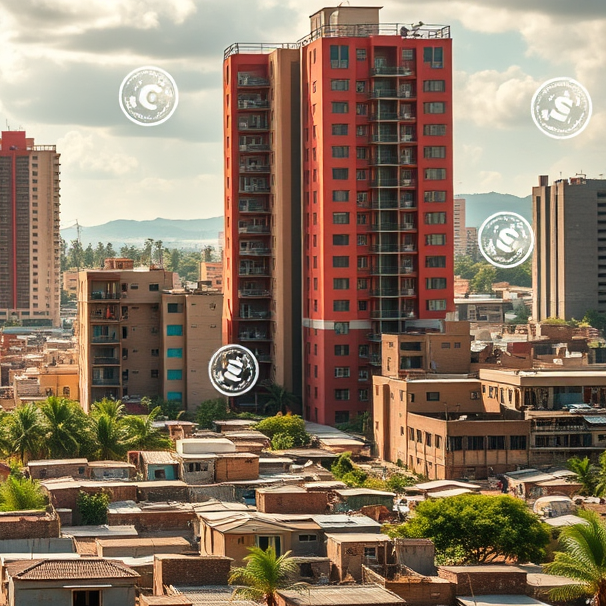
Burkina Faso is a young, rapidly growing country with about 23 million people, most of whom live in rural areas. Only about 22% of the population is urban, concentrated in cities like Ouagadougou and Bobo-Dioulasso. Culturally, home ownership is deeply valued — families strive to build or buy their own homes as a sign of security and success. Renting is uncommon and sometimes viewed negatively. However, as cities grow and housing costs rise, many Burkinabè live in informal dwellings on the edges of cities due to the lack of affordable, formal housing.
Economically, Burkina Faso faces low average incomes, and housing is expensive compared to wages. But the country benefits from a stable currency — the West African CFA franc (XOF), which is pegged to the euro, helping preserve purchasing power. Formal mortgage finance is scarce, meaning most people self-build or pay cash for property. At the same time, remittances from the diaspora are significant, though smaller than in North Africa — many Burkinabè abroad in France and other parts of Europe send money home to support family housing projects.
Technologically, mobile phone use is very high (about 115% connections per person), and mobile money services such as Orange Money are widespread. However, internet penetration remains low (around 20%), and blockchain familiarity is minimal. This presents both a challenge and an opportunity: while digital literacy is still developing, mobile-based financial tools are familiar and could help introduce tokenisation gradually.
SQMU and SQMU-R in Simple Terms
- SQMU: A digital token representing one square metre of property. It lets people invest in small, affordable shares of a home or apartment rather than buying the entire property.
- SQMU-R: A token that represents a rental contract. It helps landlords and tenants formalise agreements and automate payments.
Together, these tools can open up property ownership and professionalise renting in a market dominated by informal building and cash transactions.
How Tenants Could Benefit
Renting in Burkina Faso is limited and often informal. SQMU-R can help make leasing safer and more transparent:
- Clear digital contracts: Tenants can sign smart rental agreements stored on the blockchain, protecting both parties.
- Deposit security: Rental deposits can be held in smart contracts, releasing funds automatically when the lease ends.
- Affordable, reliable rentals: NGOs or social housing programs could issue SQMU-R tokens for their properties, allowing tenants to pay via mobile money and avoid scams.
- Gradual ownership: Platforms could offer rent-to-own options — a portion of rent could be converted into SQMU tokens over time.
Example: A teacher moving to Ouagadougou finds a verified apartment on a tokenised platform. Her rent is paid monthly through SQMU-R, using mobile money, and each payment adds a small amount toward ownership. Deposits are protected, and the lease is fully digital and enforceable.
How Landlords and Developers Could Benefit
Landlords and small developers struggle to finance projects or monetise vacant homes. SQMU can help:
- Fractional property sales: A homeowner with a second house can sell part of it by issuing SQMU tokens per square metre, giving investors a share of future rent or resale value.
- Funding new builds: Developers can pre-sell SQMU tokens in planned housing estates to raise capital upfront, bypassing scarce mortgage finance.
- Prepaid rent: Landlords can issue SQMU-R tokens representing future rent and receive cash today — useful in an inflationary economy.
- Diaspora participation: Burkinabè abroad can invest safely by purchasing SQMU tied to certified projects, instead of informal money transfers.
Example: A small cooperative in Ouagadougou is building a block of affordable apartments. Instead of waiting for full buyers, they sell 10,000 SQMU tokens (one per square metre). Local and diaspora investors buy them through a mobile-friendly app. Once built, the cooperative sells SQMU-R tokens to cover initial rental income, generating cash to finish the project.
How Agents Could Benefit
Real estate agents in Burkina Faso often work informally. SQMU can help them go digital and gain trust:
- Verified listings: Agents can tokenise properties with legal data and land details to prove authenticity.
- Portfolio creation: They can package multiple small homes into investment bundles for diaspora buyers.
- Cross-border sales: Agents can market SQMU-based projects to Burkinabè abroad through social media and trusted property portals.
- Efficient transactions: Digital ownership records simplify paperwork and reduce fraud risk.
Example: An agent in Bobo-Dioulasso partners with a developer to list tokenised housing units. Diaspora families in Paris buy SQMU shares online and rely on the agent to manage local legalities and rentals.
How Investors and the Diaspora Could Benefit
For Burkinabè families abroad, real estate is already a key savings vehicle. SQMU makes it safer and more flexible:
- Small entry tickets: Instead of saving for an entire home, investors can buy just a few square metres.
- Verified projects: Diaspora investors can support developments with on-chain records, avoiding informal scams.
- Rental income: SQMU-R tokens pay rental returns in CFA francs or euro-pegged stablecoins, reducing risk.
- Portfolio building: Spread investments across several properties or cities, diversifying instead of betting on one plot of land.
Example: A nurse in Lyon sends money home each year to help relatives build a house. Instead, she buys SQMU tokens in a verified Ouagadougou apartment project. She receives quarterly updates and rental payouts digitally, and her family has secure, traceable ownership.
Why Burkina Faso Is Ready for Tokenisation
Several trends support the adoption of SQMU and SQMU-R:
- Urban growth: As more people move to cities, demand for affordable, reliable housing is increasing.
- Stable currency: The CFA franc’s euro peg provides the stability needed for pricing property tokens.
- Mobile finance culture: Widespread use of Orange Money and similar services makes digital payments familiar.
- Diaspora wealth: Large remittance flows can be channelled into structured, tokenised housing rather than informal builds.
Overcoming Challenges
For tokenisation to succeed in Burkina Faso, solutions must address real barriers:
- Low internet penetration: Platforms should work on lightweight mobile apps and SMS integration, not just web.
- Cultural preference for ownership: Marketing should show how fractional ownership leads to full ownership over time.
- Education: Clear explanations in French and local languages will help build trust among first-time digital investors.
- Legal integration: Collaboration with notaries and local authorities is essential for secure property rights.
Looking Ahead
Burkina Faso’s housing market is under pressure from urbanisation and limited formal finance. SQMU and SQMU-R offer a way to bridge tradition and technology: enabling tenants to lease safely, helping landlords and developers raise capital, empowering agents to reach the diaspora, and giving investors a transparent, low-barrier way to own property.
With mobile money already embedded in daily life and remittances flowing steadily, tokenisation could evolve from niche innovation to a trusted mainstream tool — allowing Burkinabè everywhere to build and share in the country’s growing urban future, one square metre at a time.

Leave a Reply