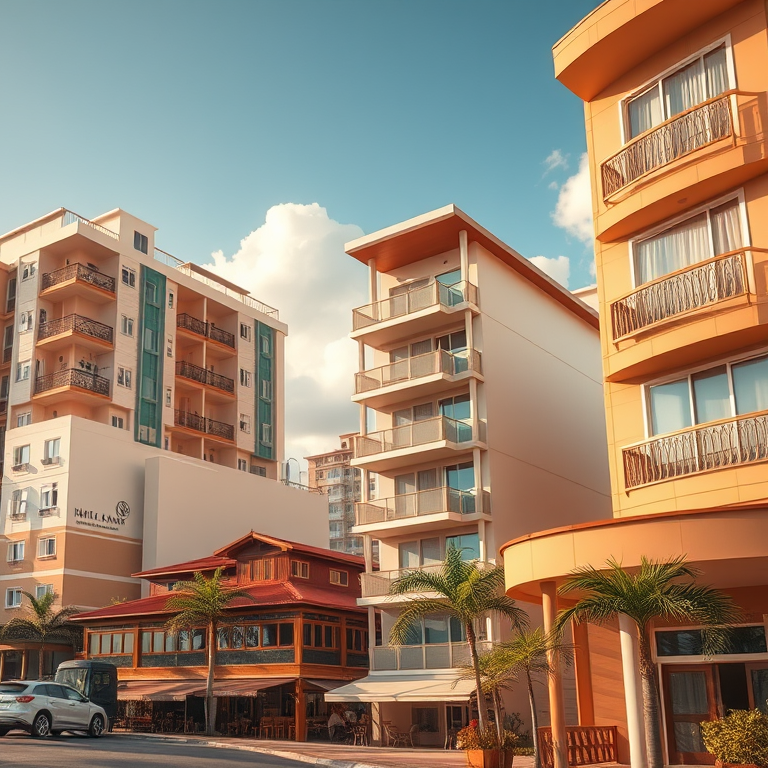
Tonga, a Pacific Island nation with a population of approximately 104,000, is one of the most remittance-dependent countries in the world. Its economy is deeply connected to its diaspora, especially communities in New Zealand, Australia, and the United States. In this environment, tokenised real estate solutions such as SQMU and SQMU-R offer a revolutionary way to formalise housing finance, provide stable returns to investors, and increase access to property for residents and returning migrants alike.
SQMU and SQMU-R: Tools for Real Estate Tokenisation
- SQMU (Square Metre Unit) enables fractional ownership in real estate through blockchain tokens. Investors can purchase specific square metres of a property, making real estate investment accessible at lower price points.
- SQMU-R tokenises rental contracts, turning lease payments into digital tokens with smart contract-driven income distributions.
In Tonga, where traditional land ownership systems and limited housing finance options present barriers, these tools offer new pathways for both domestic development and diaspora engagement.
Use Cases for SQMU/SQMU-R in Tonga
1. Tenants and Urban Renters
Tenants in Nukuʻalofa and other urban centres often rely on informal leasing arrangements or family-owned properties. SQMU-R could offer:
- Stablecoin-based rent payments from diaspora relatives or employers abroad
- Transparent, digitised lease terms governed by smart contracts
- A modern option for managing rent from seasonal workers or students
For example, a Tongan seasonal worker in New Zealand could pre-pay their rent in stablecoins directly to a landlord in Tonga via a SQMU-R token.
2. Landlords and Property Owners
Landlords in Tonga often include extended families renting portions of homes or apartments. SQMU allows them to:
- Tokenise rental properties, selling shares to diaspora or local investors
- Raise funds for renovations or expansions through SQMU sales
- Issue SQMU-R to generate upfront capital based on future rental streams
A guesthouse owner in Tongatapu, for instance, could issue SQMU tokens for 10% of their property to raise funds for solar upgrades, while offering investors a share of the tourist rental income.
3. Real Estate Agents and Facilitators
While Tonga has few formal agents, digital tokenisation platforms can fill that gap:
- Create globally visible listings for tokenised property in Tonga
- Onboard Tongan diaspora via digital portals, with clear KYC compliance
- Allow cooperatives or churches to purchase tokens for community housing
A church-based diaspora group in Auckland could collectively invest in an apartment building in Nukuʻalofa, receiving stablecoin yields via SQMU-R.
4. Diaspora Investors and Returnees
Tongans abroad are highly engaged in their homeland’s development:
- Remittances contribute ~39–40% of Tonga’s GDP, the world’s highest share
- Diaspora investors often support family construction but lack transparency
- SQMU creates formal ownership structures without requiring land transfers
A Tongan nurse in Australia might buy 500 SQMU tokens linked to a rental duplex near Nukuʻalofa, earning monthly income in USDC during tenant occupancy.
Economic and Housing Affordability Context
Tonga has a low-income economy with GDP per capita estimated at ~$6,000. The local currency, the Paʻanga (TOP), is pegged to a basket dominated by the NZD, which moderates inflation and exchange volatility.
Housing remains nominally affordable but structurally inaccessible:
- 98% of land is hereditary, which limits formal sales
- Mortgage availability is limited, and incomes are low
- Most homes are built on family land through savings or diaspora contributions
SQMU can address these gaps by:
- Enabling tokenised long-term leases or fractional use rights
- Allowing property owners to raise funds from overseas without selling title
- Providing diaspora with secure income-generating investment options
Technology and Infrastructure Readiness
Tonga’s digital infrastructure is developing steadily:
- Internet penetration is ~58.5%
- Mobile phone usage is at 89% of the population
- Social media reach (Facebook, Instagram) is around 64%
- Power grid coverage is at 94% nationally
The country has invested in improving undersea cable bandwidth and expanding mobile coverage. While local crypto adoption remains low, the diaspora is tech-savvy and familiar with blockchain and stablecoins.
Digital payments (via remittance services and bank transfers) are widely used. SQMU platforms could leverage existing digital banking to onboard users gradually, starting with diaspora and urban professionals.
Housing Market Dynamics
Urban vs. Rural
- 77% of Tongans live in rural areas
- Nukuʻalofa hosts most urban housing and rentals
- Housing supply is constrained in cities, with growing rental demand
Short-Term Rentals and Tourism
- Tonga’s tourism sector is modest but growing, especially for cruise ships and scuba diving
- Family-owned guesthouses cater to tourists and visiting diaspora
- Rentals are often informal, managed seasonally
Tokenisation would allow:
- Family guesthouses to issue SQMU-R and raise funds for improvements
- Urban landlords to fractionalise future income for diaspora investors
- Diaspora holiday-goers to invest in properties they regularly visit
Capitalising on Remittances through Tokenisation
Tonga receives the highest remittance share in the world (≈40% of GDP). SQMU/SQMU-R provide a structured way to channel this capital:
- Instead of sending money without strings, diaspora can invest in productive property
- Smart contracts automate returns and reduce disputes
- Recipients in Tonga gain access to funds for building, maintaining, or monetising housing
A Tongan construction worker in Sydney could purchase SQMU-R tied to a short-term rental in Vavaʻu, earning steady income while helping his family maintain the property.
Navigating Customary Land Laws
Tonga’s unique land system prohibits the free sale of hereditary land. However, SQMU can work within these boundaries:
- Tokenising long-term leaseholds (e.g. 20–50 year leases)
- Embedding land ownership restrictions in smart contracts (e.g. citizen-only ownership)
- Focusing on urban leasehold or commercial property structures
This makes compliance straightforward, while opening access to new capital.
Conclusion: A New Model for Tongan Real Estate
SQMU and SQMU-R offer a compelling framework for housing and investment in Tonga:
- For Tenants: Easier rent payments and formal leases
- For Landlords: Access to diaspora capital and diversified ownership
- For Agents: A digital marketplace for fractionalised property
- For Investors: Transparent, secure, and high-impact returns
More than financial innovation, tokenisation in Tonga bridges geographic distance and cultural tradition. It enables a village family, a church group in Auckland, and a developer in Nukuʻalofa to all participate in housing development with clarity and equity.
SQMU transforms remittances from handouts into investments, and turns square metres into bridges between generations, islands, and futures.

Leave a Reply