Economy & Demographics
Curaçao, an autonomous country within the Kingdom of the Netherlands, maintains a high-income economy with a population of approximately 156,000 residents. The island’s currency, the Netherlands Antillean guilder (ANG), is pegged to the U.S. dollar at a stable rate of 1.79, providing macroeconomic predictability for both domestic and foreign investors. Curaçao’s economy is built upon three major sectors: tourism, logistics, and financial services. Each of these industries has evolved to cater to both local and international markets, making the island a small but strategic hub in the southern Caribbean.
Tourism remains the most visible pillar of Curaçao’s economy. With its pristine beaches, world-class diving sites, and the UNESCO-listed capital Willemstad, the island attracts a growing number of European and North American visitors. The government’s recent focus on expanding airlift connectivity and supporting boutique hospitality ventures has further stimulated foreign direct investment in tourism. Investors from the Netherlands, the United States, and Latin America have been increasingly active in resort and residential development, a trend that has led to steady GDP growth and improved infrastructure.
The logistics sector plays a crucial role as well. Curaçao’s deep-water port and proximity to major shipping lanes make it an important node for oil storage and maritime trade. Additionally, its stable regulatory framework and Dutch legal heritage have allowed financial services to thrive, particularly in private wealth management and offshore structuring. These elements combine to position Curaçao as one of the more economically diversified territories in the Caribbean.
Housing & Tourism
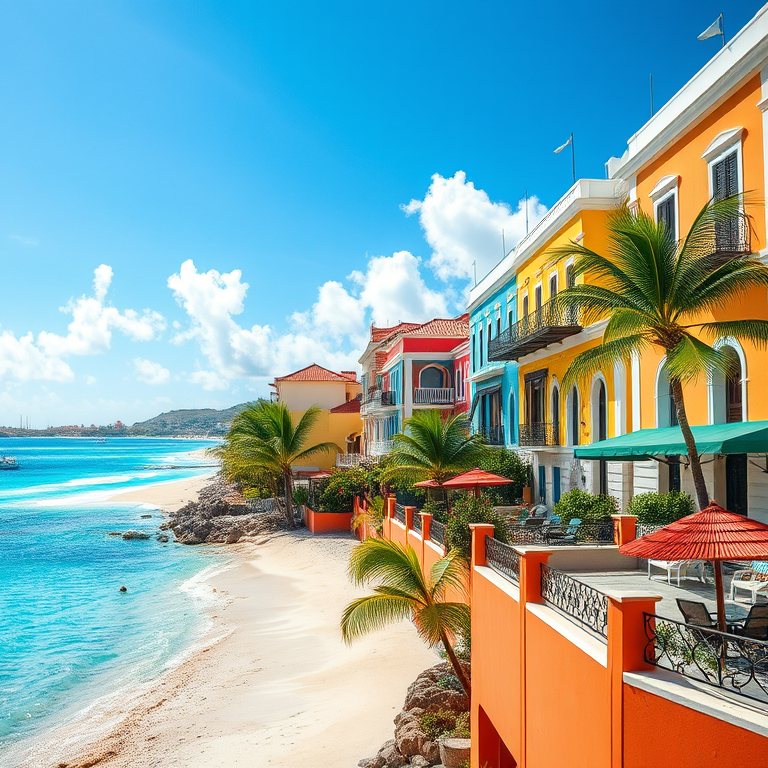
Curaçao’s real estate market has traditionally catered to both local residents and European buyers seeking vacation or retirement homes. Prices remain moderate compared to mainland Europe, with beachfront condos and historic city properties offering attractive yields. The housing stock ranges from colorful colonial townhouses in Willemstad to modern villas overlooking the Caribbean Sea.
Recent years have seen growing demand for short-term rentals (STRs) as global tourism expands and digital nomads increasingly seek longer stays in island destinations. Curaçao’s STR market benefits from liberal ownership laws—foreigners can purchase freehold property without restrictions—and a stable legal environment under Dutch jurisdiction. Dutch citizens in particular find property transactions straightforward due to shared legal and administrative frameworks.
Rental yields are competitive. Properties catering to high-end vacationers near Jan Thiel and Blue Bay can generate strong seasonal income, while apartments in central Willemstad attract business travelers and long-term tenants. The balance between tourism and residential use provides landlords with flexibility and resilience, particularly when global tourism cycles fluctuate.
The government has also been proactive in supporting tourism-related real estate projects. Several mixed-use developments now combine hotel suites, serviced apartments, and fractional ownership components, broadening participation in the market. This integration of hospitality and residential investment is a fertile environment for introducing tokenization through SQMU and SQMU-R.
Technology
Curaçao is gradually building a modern digital infrastructure that supports financial technology, e-governance, and blockchain adoption. Internet penetration is estimated at around 68%, with multiple ISPs offering fiber connectivity across urban and suburban areas. The presence of two data centers and a regional Internet Exchange Point (IXP) enhances local network reliability, reducing latency and improving business continuity.
Mobile adoption among young professionals and expatriates is nearly universal. Most residents use smartphones for online banking, digital identity services, and remote work. These habits make the population receptive to tokenized financial models and property management tools delivered via mobile platforms.
While the island does not yet host a dedicated blockchain regulatory sandbox, its relationship with the Netherlands provides indirect access to European legal precedents and frameworks. Curaçao’s financial service providers have begun exploring smart contract integrations, particularly for escrow and title management. This alignment with Dutch legal tech infrastructure provides a robust foundation for implementing SQMU and SQMU-R solutions in a compliant and scalable manner.
SQMU & SQMU-R Applications
Curaçao offers a practical and high-potential landscape for SQMU-based tokenization, bridging real estate, tourism, and diaspora investment in one ecosystem.
1. Tokenized Vacation Leasing for Visitors and Nomads
The island’s expanding base of digital nomads and remote workers creates strong demand for flexible leasing. Through SQMU-R (rental tokens), landlords could tokenize lease agreements for short-term or medium-term stays. Visitors could rent accommodations directly using SQMU-R, benefiting from transparent pricing, secure deposits, and verifiable contract execution. Property owners would gain immediate liquidity and global exposure to potential tenants.
2. Fractional Ownership and Renovation Financing
Curaçao’s mid-market condominium segment is well-suited for fractional tokenization. Owners or developers can issue SQMU tokens representing shares in a specific property or development project. This structure allows partial ownership without full purchase commitments, making it attractive to small investors from the Netherlands, Latin America, and the Curaçao diaspora.
Fractionalization could also be applied to finance renovations or upgrades. For instance, a landlord could tokenize 20% of a property’s value to raise capital for refurbishing tourist apartments, repaying investors from future rental income. Such models democratize access to real estate income streams while improving the overall quality of Curaçao’s housing stock.
3. Blockchain-Managed Deeds and Legal Transactions
With its Dutch legal heritage, Curaçao’s property transfer processes are already structured and reliable. Integrating blockchain-based deed registration via SQMU smart contracts can further improve transparency, reduce paperwork, and accelerate cross-border transactions. Real estate agents and notaries could adopt these systems to manage ownership transitions, escrow releases, and rental verifications with immutable audit trails.
4. Diaspora and Cross-Border Investment
The Curaçao diaspora, primarily based in the Netherlands and the wider Caribbean, often retains emotional and financial ties to the island but faces logistical challenges in direct property ownership. Tokenized real estate participation through SQMU allows them to invest remotely in fractional assets, earning rental income or capital appreciation without managing physical properties.
European investors benefit from Curaçao’s stable currency peg, Dutch-aligned legal environment, and English-speaking ecosystem. Latin American investors, particularly from Venezuela and Colombia, view Curaçao as a stable offshore investment destination, and SQMU’s transparent token system provides them with a secure entry point.
5. Institutional Integration and Future Scaling
SQMU’s long-term potential in Curaçao extends beyond individual property tokenization. The island could become a regional demonstration hub for blockchain-based real estate infrastructure. Financial institutions and development agencies might integrate SQMU into mortgage lending or co-investment programs, particularly for sustainable tourism projects. This would align with Curaçao’s economic diversification goals and enhance its reputation as an innovation-friendly jurisdiction.
Broader Economic Impact
The adoption of SQMU and SQMU-R in Curaçao could catalyze several macroeconomic benefits. Increased liquidity in the property sector encourages reinvestment and upgrades, while fractional ownership expands the investor base. The transparency and accessibility of blockchain-driven systems reduce administrative friction and promote compliance, strengthening investor confidence.
Moreover, tokenization can help formalize segments of the short-term rental market that currently operate informally. This integration supports better taxation, property registration, and tenant protection frameworks—key factors for sustainable tourism growth.
By linking real estate value directly to token supply, SQMU creates a measurable and asset-backed ecosystem. In Curaçao’s context, this model aligns naturally with the island’s pursuit of stable, high-value foreign participation without compromising local ownership structures.
Conclusion
Curaçao stands at the intersection of economic stability, digital readiness, and expanding tourism. Its blend of Dutch legal reliability, open property ownership policies, and growing interest from European and Latin American investors make it an ideal testbed for SQMU and SQMU-R applications.
Through tokenized leasing, fractional ownership, and blockchain-based title management, Curaçao can open its real estate market to a global audience while maintaining transparency and compliance. SQMU transforms traditional property investment into a dynamic, inclusive, and borderless system—one that reflects the island’s forward-looking economic spirit and reaffirms its position as a model for the Caribbean’s digital real estate future.

Leave a Reply