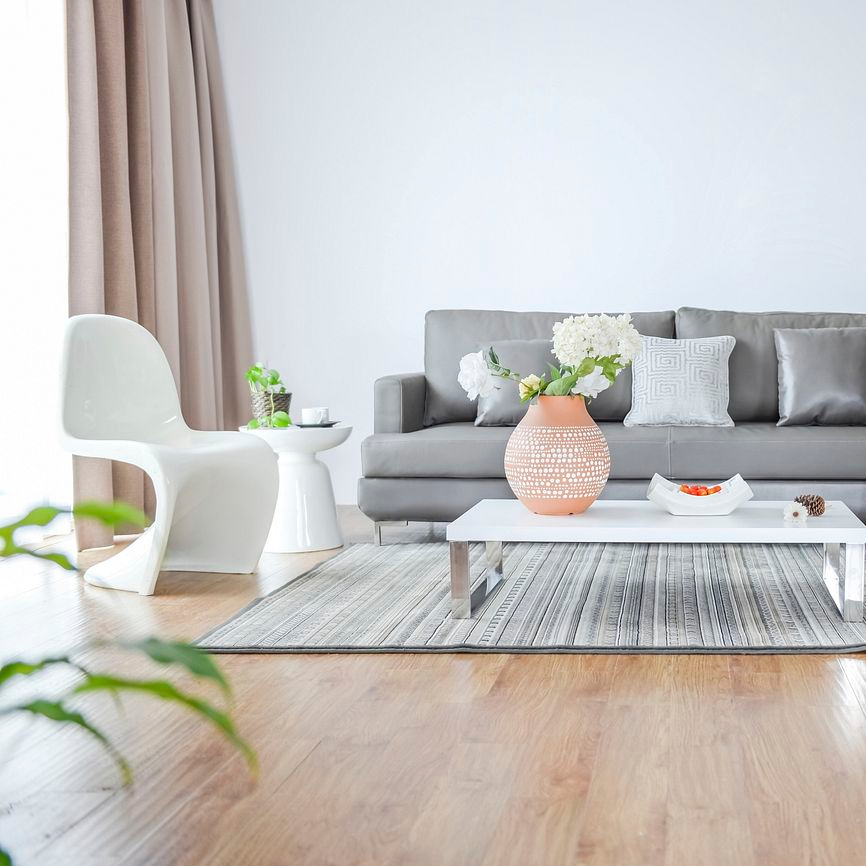
Buying a home can be a daunting task in terms of the financial commitment one makes. The cost is one small aspect of all the considerations that need to go into the purchase. When you’re looking for a new home, you need to think or attempt to imagine the life you are aspiring for in this home. For example, a simple beginning would be considering who will live with you. What is the ambience and aesthetic appeal that you seek? Importantly, you want to ensure everyone has enough space to be comfortable, both on their own and when they are together. In other words, the separation of communal and private space. And finally, the outside of the house, including the garden, roof, balconies, swimming pool and parking, and how the outer and inner space transition. Below are a few suggestions to get you thinking about the factors that will influence your decision
How Many Rooms Do You Need?
There is no one-size-fits-all answer when deciding how many rooms your house needs; there are many factors to consider. First, you should consider your lifestyle and how much space you need. An obvious place to start will be the number of persons living in the house and who will be sharing or having individual rooms. Guests and visiting family members are other factors elaborated on below, but for now, the question you need to answer is, are they going to be staying with you? Additionally, do you plan on using a room for a specific purpose, such as a home office, gym, or gaming room? It is also essential to consider the size of each room. The ideal room size, particularly bedrooms, is a personal choice. Ask yourself are you going to just put a bed in there? Do you need space to sit? Would you like to be able to fit a writing table or work desk? The answers depend on what activities you would like to do in privacy or a shared space. For example, eating is often a communal activity, but some prefer to have their morning coffee in solitude and thus would require a small breakfast table to fit into the bedroom or adjacent balcony. Many of us like to watch TV in bed, but others prefer not to have the TV in their bedroom. The common spaces of living and dining need similar consideration. Is watching TV a communal activity any more, given the proliferation of individual tablets and streaming services? Is a dedicated dining space required, or does it need to be flexible such that one could work at the table if required? Optimising space is vital. A smaller house with fewer rooms can still be comfortable if the spaces are efficiently utilised. Furthermore, larger homes may require more maintenance and cost more in utilities. Therefore, it is crucial to determine the balance between space and affordability that works best for you.
How Long Do You Plan On Living In The Home?
The length of time you plan to live in the home is essential. If you are planning on living there for a short period of time, it may be more cost-effective to rent. If you are intent on purchasing a house, consider your family’s needs in the short term and the rentability in the long term. On the other hand, if you plan to put down roots and live in the home for a long time, consider your needs for the future. This does not necessarily require the purchase of a larger house with many rooms. A better strategy would be to consider the flexibility in the manner the rooms could be used and additional construction. In short, consider your current life circumstances and future plans to make the best decision for your needs.
Style
Style is an important factor to consider when selecting a house. Different styles may have a range of amenities that appeal to different people. For example, a modern home may have more energy-efficient features than an older house. But there is something to be said about timeless architecture that evokes a sense of nostalgia and belonging. There are also the benefits of sparse minimalism, putting functionality before form. Some prefer ornate fixtures and finishes that are more in keeping with their ethos, yet others are ambivalent to such factors. Similar considerations are applicable to the exterior.
Furniture
Furniture has a direct relation to the space you require. Minimalism has the benefit of occupying less floor space. If you have a spacious home, you may need to invest in bigger furniture pieces; smaller ones would look awkward. However, opulent furniture can often be more expensive. Putting in large opulent furniture would make a small space a lot more cramped than it already is; here, you need to choose more sleek and practical furniture. Even dual-use furniture, such as convertible sofas and their ilk, need to be considered.
Cooking
A small kitchen is more suitable for those of us who are inept in the kitchen. All others require a kitchen where you are, at the very least, able to fit more than two people. It is surprisingly easy to crowd the kitchen and the counter space with superfluous equipment, which can interfere with your aesthetic. An ideal kitchen is a space that can fit 3-4 people, and all can comfortably cook or work together in that space. Then there are the factors of dining, entertaining and overflow into the living room and the outdoors. If you are inclined to entertain often or keen on the weekend barbecue, you would prefer to be able to prep in the kitchen and host your guests in the living room and outdoor space. This requires that the kitchen be accessible to the living room and the outdoor space. If you like to have quick meals at the kitchen counter yet prefer a separate kitchen, then you are going to need to fit in a table or space enough to have an island in the kitchen.
Activities
Remember that your activities indoors and outdoors and those of your family members add to the enormous need for a place to put the cycles, gym equipment, mud room, sauna or jacuzzi. Think about your lifestyle and needs beforehand.
Pets and Plants
Pets and plants are other occupiers of space and are often not considered. A large dog in a small apartment will always be a recipe for disaster. Similarly, a house with an abundance of indoor and outdoor plants will require more space to accommodate them. Plants and pet fish are likely to be less of a hassle but not to be underestimated when it comes to the amount of space they take up. Not to mention that you will not want light-coloured carpets and furniture if mud and fur are going to be dragged along all over the house. Pets require designated spaces for feeding, sleeping and, in the case of cats, at least litter boxes.
Storage
Another factor that needs to be addressed is the storage space required for furniture, clothing, books, and other surplus or seasonal possessions. Not only do you need to store everyday items such as clothing and books but also seasonal items like decorations or outdoor furniture. But, again, storage is often overlooked when planning the size of a house. Nobody, the dog included, is going to be happy about it if you are tripping over things in corridors and staircases just because you don’t have a place to put them. And, make no mistake, humans, by nature, are hoarders, and somehow, over time, stuff keeps accumulating. So for long-term owners who hate throwing things away just because they might need them someday, you will need flexible and expandable storage space.
Souvenirs to Store and Display
Your closet sizes or your preferences to bring home souvenirs and keepsakes from your travels can be an additional determinant of the space. For example, if you like to bring home souvenirs and display them, you will need a place for glass shelves and plenty of wall space. Strangely even large houses sometimes do not have walls wide enough to accommodate them. You may also need additional closets or cupboards if you habitually rotate your art. Having said this, what some consider precious reminders of fond memories, others consider clutter.
Electricity and Utilities
When deciding on the size of your house, it is vital to consider the amount of electricity and other utilities you will need. Depending on your space, you may need to install additional outlets or upgrade your current electrical system. Additionally, it would help to consider what types of appliances and electronics you will use to determine the energy needed for each room. It is also essential to take into account the cost of utilities such as water and heating. If your house is larger, this cost could increase significantly. Even the size and orientation of your windows can substantially impact your electricity and cooling needs, often overlooked in a cursory assessment of homes. Seekers of great views are particularly susceptible to overlook this point. South facing floor to ceiling windows may look amazing but will undoubtedly add to your cooling bills and investment in dark curtains.
The Visitor & Guest Factors
Consider the number of visitors and guests you expect. If you plan on having a lot of visitors, then it is important to ensure that the house has enough seating and space for them. This may mean investing in additional chairs, couches, or larger tables so everyone can sit comfortably. And where all of the above will fit on a permanent or temporary basis. Irrespective of which side of the argument you are on, you should consider that in your space considerations. For overnight guests, are they family, or are they friends? Friends tend to be short-term visitors and, as such, often require less attention. In contrast, family, particularly immediate family, are likely to stay for more extended periods and thus require more attention and more space for them to be comfortably accommodated during their stay. Lastly, suppose you plan on frequently hosting large gatherings or parties. In that case, it is important to make sure that the house has enough room for guests to move around without feeling cramped. This may mean investing in a larger living room, outdoor areas or a separate dining room for entertaining.
Servants
Servants can also be a determinant in the size of your house. Are they going to be living with you? Or working while you are at home? Both of them have different requirements, and it is likely that you have particular preferences in how you manage your private spaces and schedules. If the servants are going to be living with you, then you will need to make sure that the house size is large enough to accommodate them. This means you should consider investing in additional rooms and areas for them to live in. Suppose the servants are going to be working while you are at home. In that case, it is important to make sure that the house is large enough so that they can have their own space and not interfere with your living area. This may mean having separate entrances or dedicated workspaces for them.
Vehicles and Parking Spaces
Vehicles and parking spaces are also essential considerations when deciding on the size of a house. If you have multiple cars or large vehicles, you will need additional space for parking and storage. If you live in a neighbourhood, it is essential to be mindful of the rules and regulations regarding parking. Additionally, you will need to consider whether or not there is enough space for visitors or guests to park.
Final Thoughts
More often than not, we don’t get to design a bespoke house. And hence, you are required to fit your lifestyle into the house rather than the house fitting your lifestyle. Just a caveat here, this article is written from the perspective of someone who is buying a home to live in. So it might apply to property buyers to rent it out only in as much as its appeals to potential tenants. Perhaps a more in-depth analysis of what to look for when buying a house that appeals to a broad category of tenants and is likely in great demand can be the subject of a later article. Keep in mind that it is unlikely to be perfect and to have everything on your wishlist. It is always prudent to avoid a continuous accumulation of objects, furniture and equipment leading to more and more space requirements. One is often surprised by the fact that even large homes can feel so lacking in space due to accumulated clutter. Consider your financial situation and monthly expenses before opting for a larger home. Choosing a style and layout that suits your lifestyle aspirations while also considering energy efficiency is important. It is worth noting that a smaller, energy-efficient home may be a more cost-effective option in the long term.
Note: Author’s Bias – The author has a preference for minimal decluttered homes and is prone to throwing things away or leaving things behind when moving houses.

Leave a Reply